


Grid Resilience Assessments
Providing the in-field grid resilience and reliability insights utilities need to withstand extreme weather events.
Get in Touch
Our Global Team
United States

Aron Sexton
Executive Senior Director, T&D Sales, United States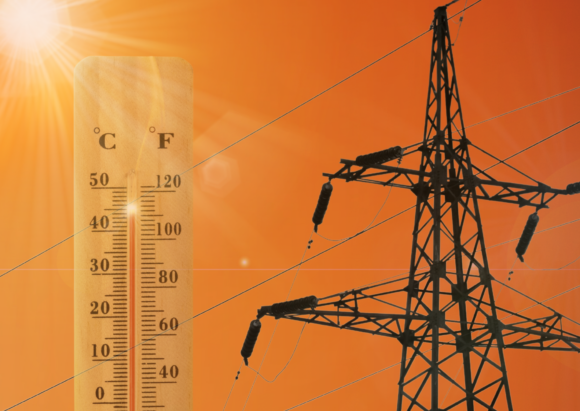
Grid resilience involves proactively reinforcing power grid equipment and systems to ensure they can withstand severe weather conditions or quickly recover from unexpected disruptions. Actions to enhance grid resiliency include assessing and upgrading equipment to endure sudden storms or temperature fluctuations, and developing weatherization strategies to maintain system functionality during adverse weather.
Recent extreme weather events, such as the February 2021 Polar Vortex in the Central U.S., have posed critical challenges to grid operators, threatening grid resiliency and reliability. In addition to weather-related risks, the increasing integration of renewable generation, battery energy storage systems (BESS), distributed energy resources (DERs), and evolving grid operating requirements have introduced new challenges related to system stability and reliability.
With decades of expertise in power systems engineering, equipment assessment, and grid modelling, Kinectrics is the trusted partner for grid resilience solutions. Our assessments help electrical utilities and grid operators reduce outage risk, support reliable integration of emerging technologies, extend asset life, and enhance grid resilience.
Our Advantages in Grid Resilience Assessments
-
Regulatory and Audit Readiness
Extensive experience supporting compliance with NERC (North American Electric Reliability Corporation) reliability standards and regulatory requirements. Our experts assist utilities with audit preparation, technical assessments, reliability studies, and compliance initiatives that support long-term grid resilience and stability.
-
Team of Experts
We bring deep technical knowledge and practical insights to deliver comprehensive and effective resilience strategies that address operational, regulatory, and infrastructure challenges.
-
Grid Resilience Expertise
Our team helps utilities identify and address vulnerabilities related to extreme weather, system stability, DER integration, and evolving grid operating conditions to strengthen overall grid resilience.
-
Tailored Solutions
Dedicated and customized services designed to support reliable system performance, regulatory compliance, and operational excellence under changing grid conditions.
Our Grid Resilience Technical Abilities
Transformer Vulnerability and Grid Resilience During Geomagnetic Disturbances
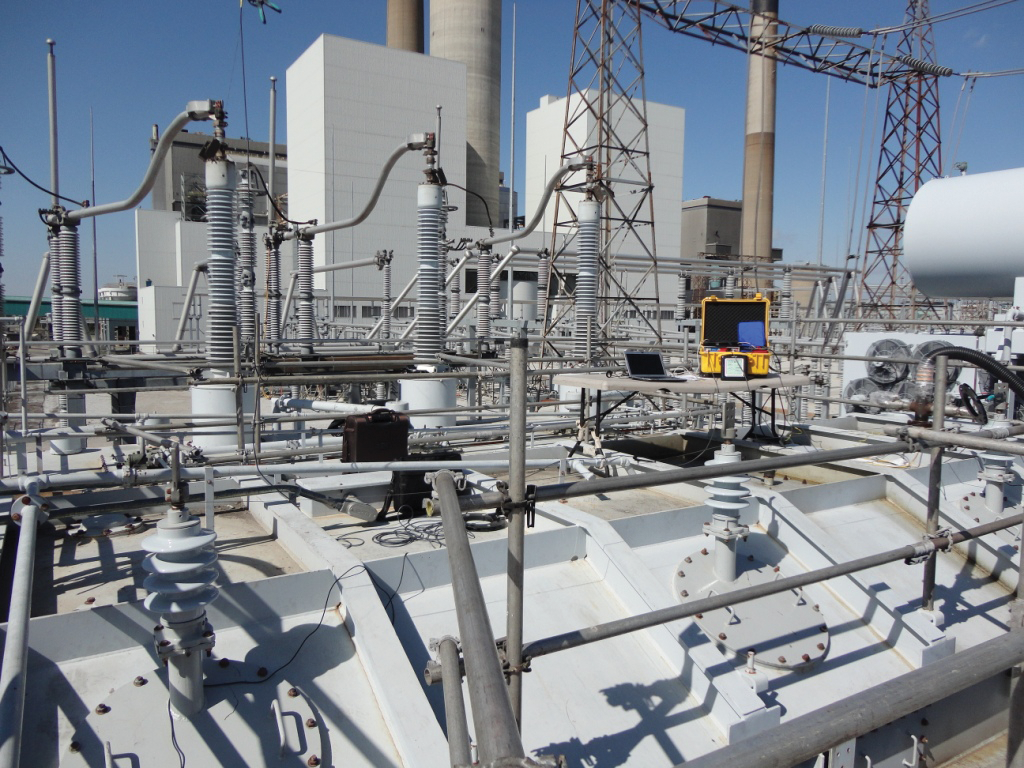
Geomagnetic Disturbance (GMD) events are caused when charged particles ejected from the sun interact with the earth’s magnetic field, creating ionospheric current flow in the upper regions of the atmosphere. These currents can induce quasi-direct currents in long transmission lines and buried metallic infrastructure, creating risks to grid resilience and reliability.
Power transformers with grounded neutral windings are particularly vulnerable to Geomagnetically Induced Currents (GICs), as they can experience core saturation caused by DC offsets on AC waveforms. Core saturation can lead to winding overheating, stray flux heating of structural components, abnormal gas generation, and in severe cases, transformer failure.
Our power system experts provide detailed transformer design analysis, network analyses, grounding studies, and GIC response assessments to help utilities strengthen their infrastructure against GMD events. Our transformer specialists evaluate the specific designs of transformers in your network to identify those at significant risk due to GMD events. By conducting these studies, we assist in mitigating potential operational hazards, while ensuring compliance with NERC TPL-007 standards.
Our GIC vulnerability assessments include:
- Evaluation of peak and average magnetizing current
- Analysis of harmonic content in magnetizing currents
- Measurement of reactive power draw
- Determination of winding hottest spot temperatures
- Assessment of top/clamping plate and flitch plate temperatures
- Development of thermal capability curves for up to five (5) GIC DC current magnitudes
Expert-Based Grid Resilience Insights
Ensuring grid resilience requires expert insights and strategic planning to mitigate risks, adapt to evolving regulatory requirements, and maintain seamless operations across all aspects of the grid. We provide tailored support to help utilities strengthen their resilience, from compliance with industry standards to operational enhancements.
Our expertise spans the full range of grid resilience solutions, including:
- Developing inspection and audit scopes to conform with NERC or other regulatory requirements
- Providing experienced personnel to support audits
- Supporting the development of audit procedures and processes
- Creating customized assessment criteria
- Offering staff augmentation to support program execution
- Optimizing dispatchable thermal generation
- Supporting baseload thermal generation
- Enhancing renewable generation integration
- Supporting DER and energy storage integration
- Improving transmission-class switching and transforming substations

Grid Stability and Inverter-Based Resource Integration
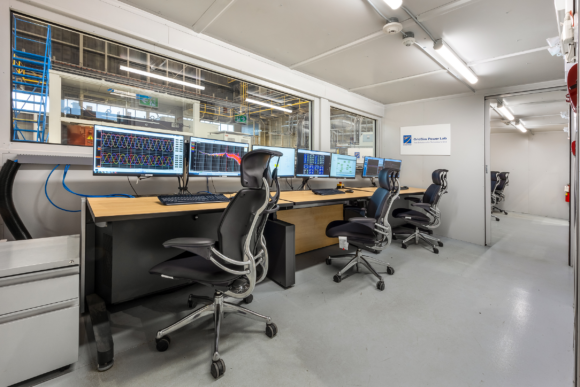
As utilities continue integrating renewable energy resources such as BESS and DERs, maintaining grid stability becomes increasingly important to system resilience. We support utilities, developers, and equipment manufacturers through power system studies, impact assessments, modelling, simulation, and testing services that help evaluate system performance under a wide range of operating conditions.
Our experts help organizations assess the impacts of DER interconnection, renewable generation, emerging loads, and inverter-based technologies on power system reliability and operational performance. Through advanced testing and simulation capabilities, we support the reliable integration of new technologies while helping address evolving grid requirements.
Our capabilities include:
- Distributed generation and DER system impact studies
- Grid modernization and grid impact assessments
- Interconnection studies for renewable energy and distributed generation projects
- Power system transient and electromagnetic transient (EMT) studies
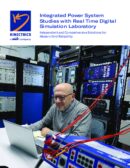
- Real-Time Digital Simulator (RTDS) modelling and simulation services
- UL 1741 and IEEE 1547.1 testing support through the GridSim Power Laboratory
NERC Compliance and Reliability Assessments
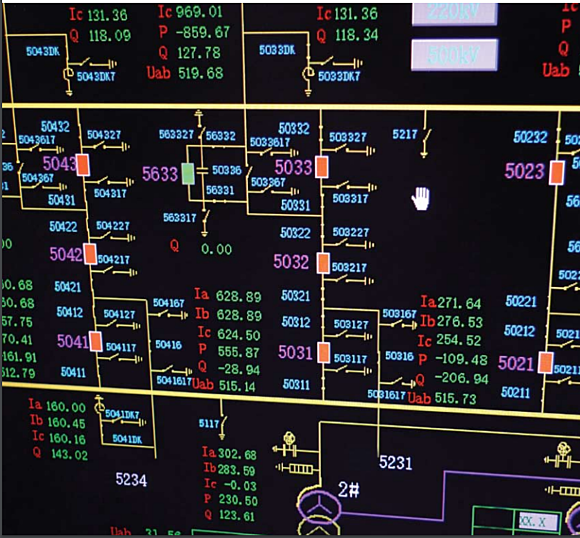
Reliability standards play a critical role in supporting grid resilience and ensuring the reliable operation of the Bulk Electric System (BES). Our team helps utilities address NERC compliance requirements through technical studies, modelling assessments, and protection & control evaluations.
We support organizations across multiple NERC reliability standard categories, including Protection Relay and Control (PRC), System Modelling (MOD), and transmission planning requirements. By combining compliance expertise with extensive power system studies capabilities, we help identify risks, improve system reliability, and prepare for audits/regulatory reviews.
Our experience includes:
- NERC compliance consulting services
- MOD-027 and MOD-028 model validation support
- PRC compliance assessments and engineering studies
- Protection and control system evaluations and verification services
- Power system modelling, simulation, and reliability assessments
- Audit readiness and regulatory support
Complementary Capabilities
Downloads
-

Weatherization Support - Brochure
Download Opens in new tab -
NERC Engineering Services - Brochure
Download Opens in new tab -
Substation Automation Systems & Interoperability Testing Lab - Brochure
Download Opens in new tab

Our Proven Experience
Quality Assurance & Technical Standards
- IEEE 1547.1
- IEEE Standard Conformance Test Procedures for Equipment Interconnecting Distributed Energy Resources with Electric Power Systems and Associated Interfaces
- UL 1741
- Inverters, Converters, Controllers and Interconnection System Equipment for Use With Distributed Energy Resources

Let's Work Together
Whether it’s about our world-renowned team, our laboratories, or our lifecycle management solutions, we’re happy to answer any questions you might have.
Get in Touch